


PowerALGAE: new opportunities for agriculture from microalgae
Studying microalgae to develop new solutions for agriculture. This is the aim of PowerALGAE, a research project focusing on biostimulants and the bioeconomy of agricultural ecosystems.
The challenge: more resilient crops
Environmental conditions affect plant growth and crop yields. Climate change makes it increasingly important to identify tools that can support resource-use efficiency and crop adaptation.
Against this backdrop, research into biostimulants explores molecules of agronomic interest that can support plants' responses to environmental stress and nutrient uptake.
The role of microalgae
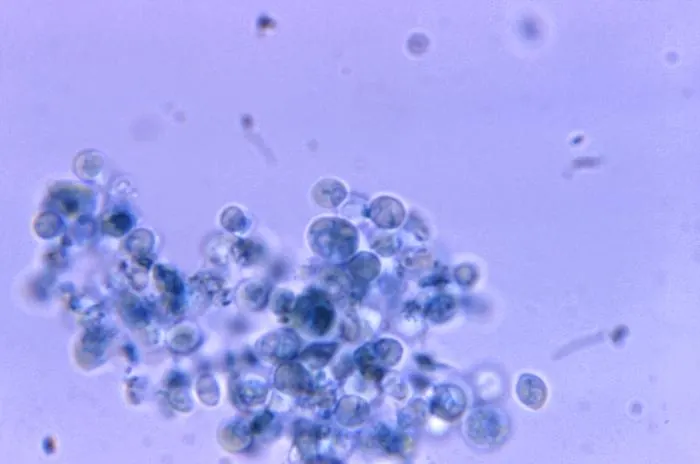
PowerALGAE aims to synthesise biostimulant peptides in the green microalga Chlamydomonas reinhardtii. The project explores a biological platform for producing high-value molecules, with the aim of contributing to the development of sustainable fertiliser solutions.
From production to evaluation
The project includes studying the formulations and evaluating their effects in the soil–plant system. The work also includes phenotyping agricultural species: observing plant characteristics to analyse their response to treatments.
The research also examines the potential use of algal biomass as a soil amendment, in relation to the physical properties of soil and plants' responses to abiotic stress.
Project facts
- Field: plant biostimulants, microalgae and the bioeconomy.
- Programme: iNEST ecosystem, Spoke 7 — Smart agri-food.
- Planned duration: 15 months.
- Funding: project co-funded by the European Union through Italy's National Recovery and Resilience Plan (PNRR).
The project connects the production of molecules through microalgae with the evaluation of their potential agricultural applications.
Read the iNEST PowerALGAE project factsheet — PDF ↗
Explore the Group's research and projects ↗